Every unit carries its own build record.
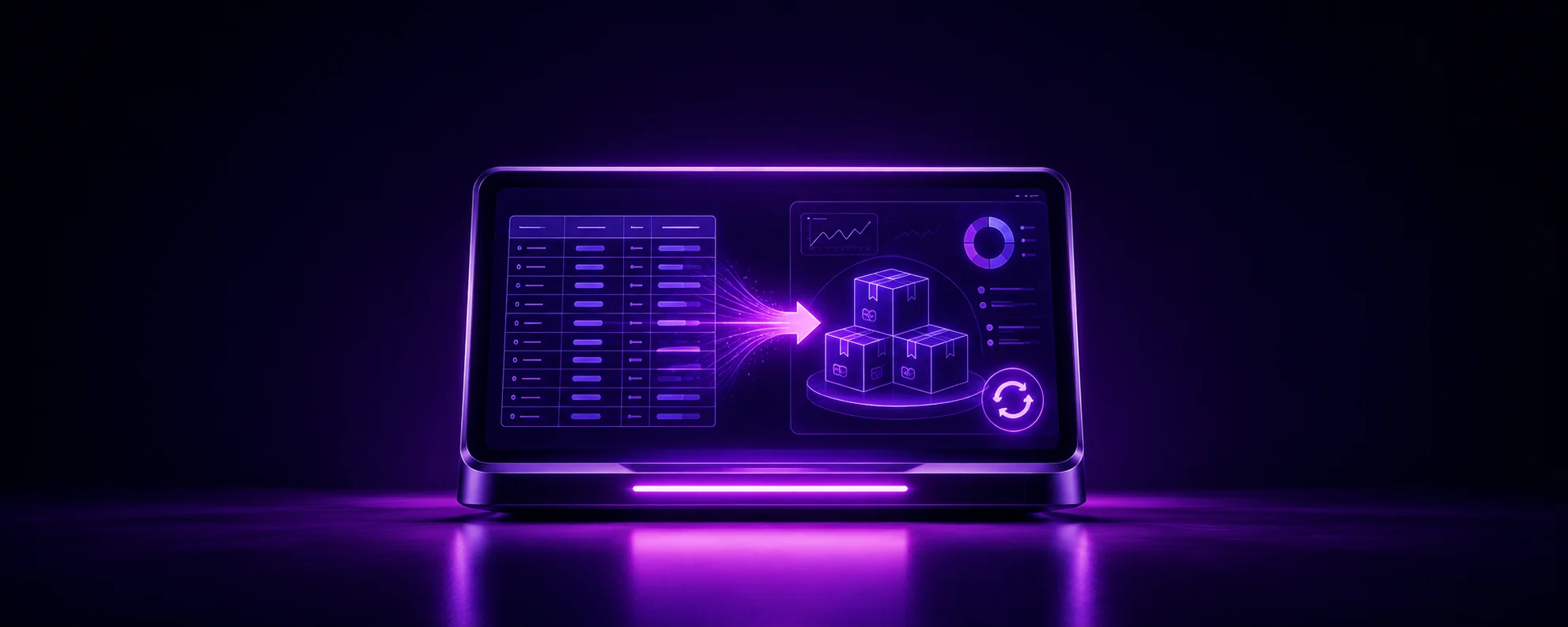
Work-in-progress moves between stations, gets reworked, split, or merged, and the traceability link between inputs and outputs is often lost at those points. Paper travelers capture part of the history. The rest lives in spreadsheets, machine logs, or someone’s head. A production traceability system records each operation at the station and keeps the link between inputs and outputs intact at the unit or lot level.
On most factory floors, the equipment is a mixed bag. One line may expose OPC UA data while another still depends on Modbus, an older PLC, or a proprietary SCADA interface. We normalize those signals into a single lot-and-event model, so old and new equipment speak the same language before the data is added to the genealogy record.
What we deliver:
- Station-level data capture. Barcode and RFID scans, along with direct PLC feeds, record each operation against the lot or serial number when it is performed.
- Split, merge, and rework logic. Parent-child relationships stay intact when lots are divided, combined, reworked, or repackaged, so genealogy remains complete through complex routings.
- Process parameter binding. Machine settings and sensor readings link to the specific unit produced while those conditions were in effect, providing the exact process conditions needed for root-cause analysis of any unit by serial number.
- Electronic travelers. Digital routers replace paper travelers and require operator sign-off at defined hold points, with each signature linked to the record it approves.
- In-process quality holds. A nonconforming lot is blocked from advancing to the next operation until quality engineers disposition it.
Outcome: quality engineers get the full build history at their fingertips, searchable by lot or serial number in seconds.

 France


 Switzerland


 Lebanon