


- Current-State Autonomy Audit. A diagnostic review that scores how your teams, processes, and systems operate today at each level of autonomy. It shows where manual work, handoffs, and failure-prone steps still limit reliability and speed.
- Maturity-Level Benchmarking. A comparative assessment that positions your autonomy level against the Gartner/ARC model and peer organizations. It shows whether your operating model is advancing, stalling, or falling behind industry benchmarks.
- Automation Opportunity Mapping. An evaluation that identifies the highest‑impact, lowest‑risk automation candidates across your operational landscape. By focusing on selecting automation opportunities, it highlights where you can introduce autonomy without destabilizing critical workflows.
- Next‑Level Roadmap. A phased plan that outlines the exact steps required to move your organization one maturity level higher.
- ROI and Operational Metrics Baseline. A quantified baseline of MTTR, downtime patterns, and cost per incident that defines your starting point. For teams that need rigorous operational baselines, it creates a financial and performance foundation to measure autonomy gains with precision.

AI Autonomous Operations
-
CLOSE REPEAT INCIDENTS AUTOMATICALLY
Hand recurring incidents to tested remediation playbooks. On-call engineers get the cases that need judgment, with root-cause analysis already attached. -
MOVE AGENTS FROM PILOT TO PRODUCTION
Give each agent a defined set of tools, permissions and approval gates. Security and compliance teams review a written boundary for every action before the agent goes live. -
AUTOMATE WORK THAT CROSSES SYSTEMS
Connect agents to ERP and ticketing systems so a process runs from request to record in one chain. Steps above a set risk level route to a person for approval.
Engineered for Impact
Autonomy That Expands Step by Step
Graduated Trust Tiers
Each workflow starts in recommend mode: the system proposes an action, and a person approves it. Autonomy for that action expands once its error rate meets the threshold agreed with your team.
Defined Action Boundaries
Every agent has a written list of the systems and data it can access. Any action outside that list routes to a person with the context attached.
Reversible by Design
Each automated action has a rollback path. The log links it to the trigger and the rule behind it, so a reviewer can trace any decision.
Measured Against Your Baseline
Before automation starts, we record MTTR, incident volume and cost per incident. The results of each phase are reported against that baseline.
What We Deliver
Services We Provide
-
Autonomous Operations Maturity Assessment
-
Autonomous Operations Center (AOC)
- Unified Monitoring and Control Plane. A single operational surface that brings every autonomous system, workflow, and exception path into one view. It removes blind spots
- Human‑on‑the‑Loop Governance. A governance layer that routes escalations, approvals, and overrides to the right human at the right moment. Intended to keep humans in meaningful control of autonomous operations, it ensures accountability without slowing down the system.
- Failure Controls. A protection framework that defines exactly what happens when an autonomous decision is wrong or uncertain. Built to contain failure before it spreads.
- Audit Layer. A compliance backbone that records decisions, actions, and data flows in a way that meets SOC 2 and GDPR expectations. Anchored in verifiable traceability, it lets you prove how autonomous systems behave under real conditions without manual reconstruction.
- Real-Time Dashboards. A real-time dashboard that tracks autonomy health, exception rates, and system performance. It turns complex system behavior into metrics your executives and operators can act on.
-
AIOps Platform Implementation
- Anomaly Detection. A monitoring layer that identifies unusual patterns early enough to prevent service degradation. It catches subtle shifts before they escalate.
- Automated Root Cause Analysis. An intelligence engine that connects signals across logs, metrics, and traces to isolate the true failure point. Positioned to remove the guesswork from incident investigations, it shortens the path from detection to understanding.
- Self-Healing Incident Remediation. Automated playbooks that resolve recurring issues without waiting for human intervention. It restores stability when conditions deteriorate, even before the issue reaches your operations team.
- Event Correlation. A filtering layer that consolidates related events and suppresses false positives. Shaped to protect your teams from alert fatigue, it ensures attention goes only to signals that matter.
- Performance Forecasting. A forecasting model that anticipates resource needs and performance trends before demand hits. Designed to help you plan with confidence, it turns growth patterns into actionable capacity decisions.
-
Enterprise Agent Orchestration
- End‑to‑End Process Agents. AI agents that run full workflows across finance, HR, procurement, and logistics without constant human intervention. Your team spends less time on repetitive operational work and more time on decisions that move the business forward.
- Multi-Agent Orchestration. A coordination layer that manages how agents collaborate, hand off tasks, and route work across complex processes. To keep large agent ecosystems moving in sync, it ensures that every step lands with the right agent at the right moment.
- Agent Decision Frameworks. A decision model that defines guardrails, confidence thresholds, and escalation rules for every agent action. By grounding each decision in clear boundaries, you keep behavior predictable as autonomy scales.
- Enterprise System Integration. A connectivity layer that links agents to ERP, CRM, ticketing systems, and internal APIs. With deep integration into your core platforms, agents can read, write, and act within your systems without brittle workarounds.
- Human‑in‑the‑Loop Checkpoints. A control mechanism that routes approvals, exceptions, and sensitive decisions to human reviewers. It keeps human oversight where it matters while agents handle routine work.
-
Self-Healing Infrastructure DevOps
- Autonomous Scaling. Adaptive scaling that expands or contracts your Kubernetes workloads based on real demand instead of static assumptions. Capacity scales up or down as demand changes.
- Automated Recovery. A recovery layer that restarts failing services, replaces unhealthy nodes, and redirects traffic before users notice. The system catches faults early and restores stability without waiting for human intervention.
- Automated Security Patching. A remediation flow that applies critical patches the moment vulnerabilities surface. Critical fixes are applied as soon as vulnerabilities are detected.
- Infrastructure Cost Optimization. A continuous optimization engine that right-sizes compute, storage, and network consumption across environments. To keep spending aligned with reality, not assumptions, the platform trims excess without affecting performance.
- Self-Healing Pipelines. A deployment pipeline that rolls back automatically when a release introduces regressions or breaks downstream systems. Automated checks catch risky builds before they reach production.
-
MLOps / LLMOps for Autonomous Models
- Continuous Model Training. A training pipeline that refreshes models on a schedule or in response to real-world triggers. A rhythm that keeps models aligned with the business, ensuring performance doesn’t drift as conditions evolve.
- Drift Detection. A monitoring layer that flags when inputs or outputs start behaving differently than expected. A safeguard against silent degradation, catching shifts early so you can intervene before accuracy collapses.
- Model Registry. A controlled system for tracking every model, dataset, lineage path, and deployment state. A foundation for reproducible work, giving your team the clarity they need to trust what’s running in production.
- Production Model Governance. An approval and oversight framework that manages how models are deployed, monitored, and audited. A structure that keeps autonomy accountable and ensures every model meets performance standards.



Humanising Autonomy: Behavioral AI SDK for Humanized Driver Assistance Systems (HDAS)
A computer vision SDK for predicting road user behavior and enhancing driver safety.
Additional Info
Core Tech:
- C++
- OpenCV
- CUDA
- Github Actions
- Cmake
- Conan
- TensorRT
- ONNX
- Ambarella
Country:
 United Kingdom

LOGISTICS & AUTOMOTIVE
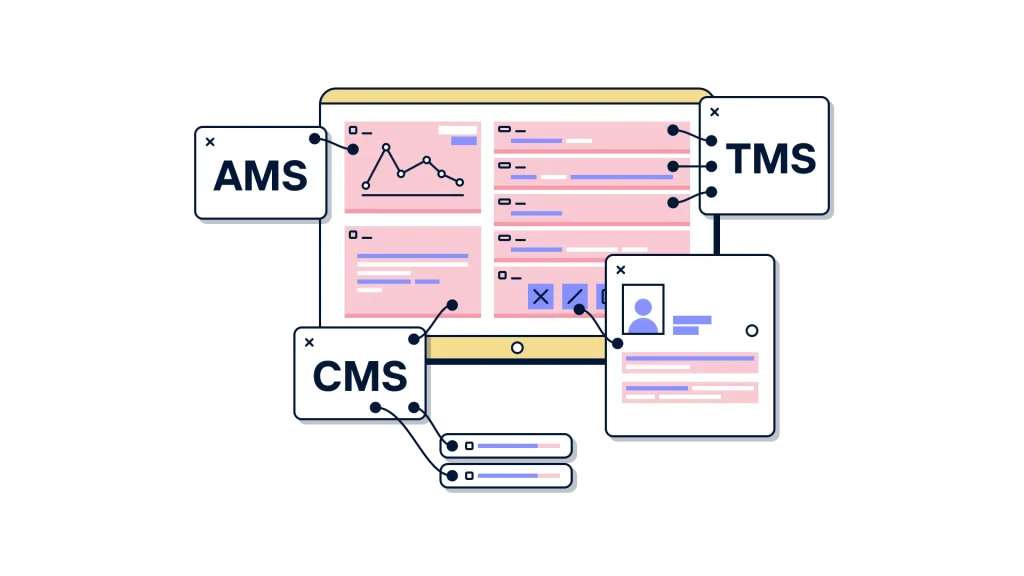
Custom Business Management Systems for a Freight Operator
Spanning from order assessment to real-time reporting, the tailored transport and cargo management systems have streamlined operations and bolstered the client’s future progress.
Additional Info
Core Tech:
- .NET
- MS SQL
- Query
Country:
 Canada


LEGACY MODERNIZATION
Private Community Engagement Platform Modernization
Modernizing a mobile-first private community platform with gamified learning, real-time features, and multi-tenant support.
Additional Info
Core Tech:
- C# / ASP.NET Core
- Vue.js 2
- Flutter
- PostgreSQL
- Redis
- SignalR
- AWS
Country:
 USA
USA
Testimonials
Testimonials



 Sweden
The solutions they’re providing is helping our business run more smoothly. We’ve been able to make quick developments with them, meeting our product vision within the timeline we set up. Listen to them because they can give strong advice about how to build good products.
Carl-Fredrik Linné
Tech Lead at
CURE Media


 United States
We are a software startup and using Devox allowed us to get an MVP to market faster and less cost than trying to build and fund an R&D team initially. Communication was excellent with Devox. This is a top notch firm.
Darrin Lipscomb
CEO, Founder at
Ferretly



 Australia
Their level of understanding, detail, and work ethic was great. We had 2 designers, 2 developers, PM and QA specialist. I am extremely satisfied with the end deliverables. Devox Software was always on time during the process.
Daniel Bertuccio
Marketing Manager at
Eurolinx


 Australia
We get great satisfaction working with them. They help us produce a product we’re happy with as co-founders. The feedback we got from customers was really great, too. Customers get what we do and we feel like we’re really reaching our target market.
Trent Allan
CTO, Co-founder at
Active Place


 United Kingdom
I’m blown up with the level of professionalism that’s been shown, as well as the welcoming nature and the social aspects. Devox Software is really on the ball technically.
Andy Morrey
Managing Director at Magma Trading



 Switzerland
Great job! We met the deadlines and brought happiness to our customers. Communication was perfect. Quick response. No problems with anything during the project. Their experienced team and perfect communication offer the best mix of quality and rates.
Vadim Ivanenko
COO at
Optherium


 United States
The project continues to be a success. As an early-stage company, we're continuously iterating to find product success. Devox has been quick and effective at iterating alongside us. I'm happy with the team, their responsiveness, and their output.


 Sweden
We hired the Devox team for a complicated (unusual interaction) UX/UI assignment. The team managed the project well both for initial time estimates and also weekly follow-ups throughout delivery. Overall, efficient work with a nice professional team.
John Boman
Product Manager at
Lexplore


 Canada
Their intuition about the product and their willingness to try new approaches and show them to our team as alternatives to our set course were impressive. The Devox team makes it incredibly easy to work with, and their ability to manage our team and set expectations was outstanding.
Tamas Pataky
Head of Product at
Stromcore



 Estonia
Devox is a team of exepctional talent and responsible executives. All of the talent we outstaffed from the company were experts in their fields and delivered quality work. They also take full ownership to what they deliver to you. If you work with Devox you will get actual results and you can rest assured that the result will procude value.
Stan Sadokov
Product Lead at
Multilogin


 United Kingdom
The work that the team has done on our project has been nothing short of incredible – it has surpassed all expectations I had and really is something I could only have dreamt of finding. Team is hard working, dedicated, personable and passionate. I have worked with people literally all over the world both in business and as freelancer, and people from Devox Software are 1 in a million.
Mark Lamb
Technical Director at M3 Network Limited
Insights
Our Experts' Insights
AI Solutions
Research Paper
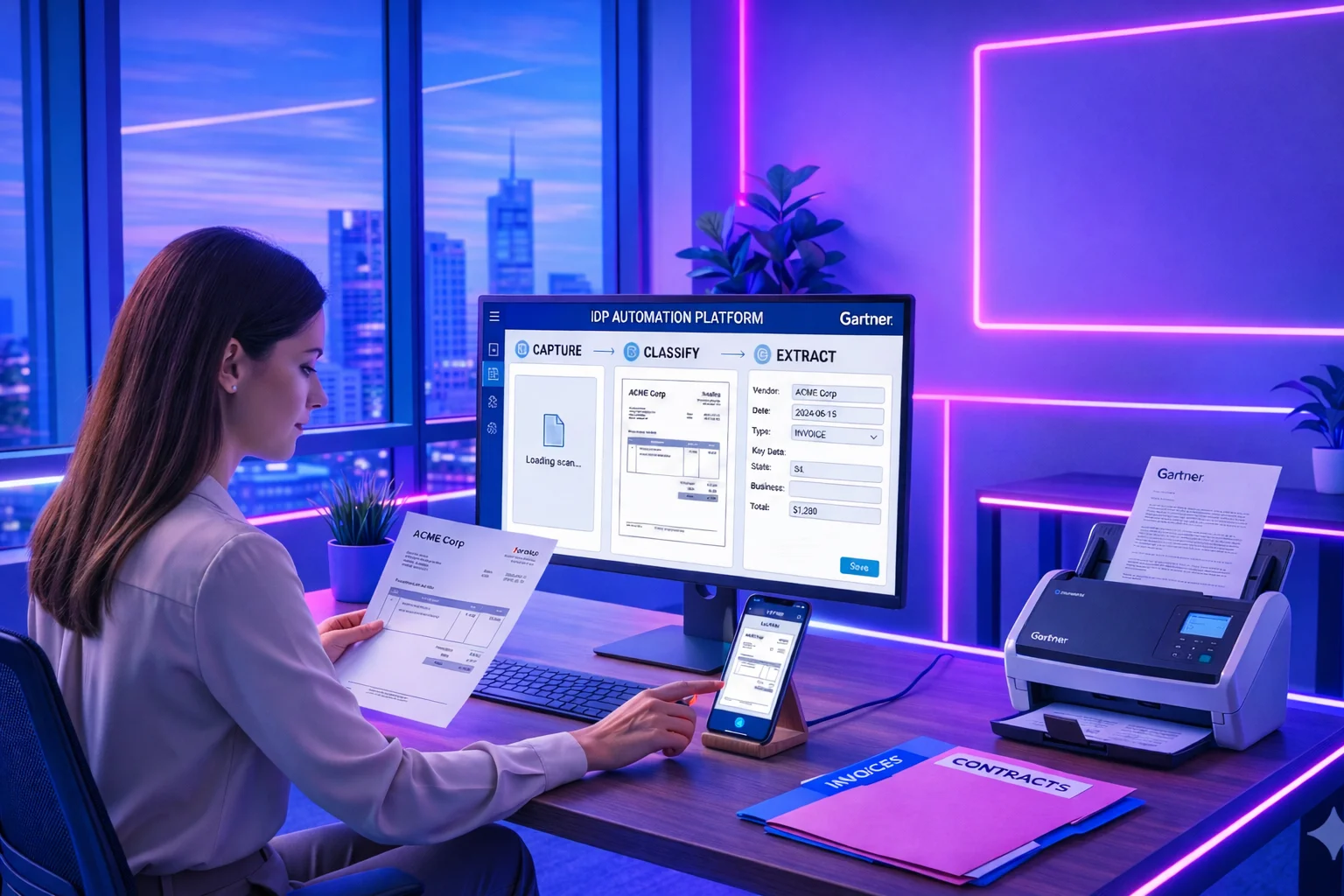
Beyond OCR: Why Enterprises Are Adopting Intelligent Document Processing in 2026


AI Solutions
Legacy Modernization
Going from .NET Framework and jQuery to .NET and React with AI: Cost & Risk Breakdown
FAQ
Frequently Asked Questions
-
How do you secure our proprietary data and maintain US regulatory standards during an AI transformation?
Your systems meet SOC 2, NIST, and SEC requirements by using continuous audit logging, zero-trust controls, and role-based access.
This structure helps keep data localized, verifiable, and protected across critical workflows.
-
How does Devox Software integrate with our internal engineering organization and executive roadmaps?
We work as an extension of your engineering organization. Our delivery team fits into your existing workflows, adds specialized expertise where needed, and helps move product and infrastructure priorities forward. We keep communication direct and align technical decisions with your business priorities.
We keep communication transparent and work closely with your internal teams to ensure delivery aligns with executive priorities. This model helps your team move faster while keeping ownership, decisions, and business outcomes clear.
-
How do your platforms maintain the accuracy of machine learning models as market conditions evolve?
We use continuous training pipelines and retraining schedules to keep models aligned with current business conditions. Our MLOps framework monitors input and output patterns to detect meaningful drift early and maintain performance over time.
With clear model versioning and production controls, you get a more stable environment for AI initiatives. Your machine learning systems can adapt to new operational data while continuing to support reliable forecasts and decisions.
-
How do we retain definitive control over automated decisions and AI-driven processes?
We use human review checkpoints and escalation paths for critical workflows. The system routes high-impact approvals, edge cases, and sensitive financial decisions to the right people for review.
This approach gives your team clear control over critical decisions while automation handles routine work efficiently and consistently.
-
How does the system process and organize our highly diverse, unstructured documentation?
We use document processing tools to extract structured data from documents, PDFs, and internal communications. Our computer vision and vision-language models interpret context and categorize industry-specific information with high accuracy. This helps automated workflows run on more complete and relevant data.
-
How does the architecture maintain stability and performance during unexpected demand spikes?
Our platforms can scale compute and network resources based on traffic and operational load. We also build resilience into the infrastructure so services can recover gracefully and traffic can be rerouted when needed.
This helps maintain application performance during demand spikes and supports a more consistent user experience. Your systems can handle higher transaction volumes without unnecessary disruption.
-
How do multiple AI agents coordinate complex tasks across entirely different business units?
We use a multi-agent orchestration layer to manage task handoffs, coordinate workflows, and route data between specialized agents. This helps actions happen in the right sequence and reach the appropriate systems across functions such as finance and logistics.
A centralized control layer provides your operations team with visibility into agent activity across the organization. This coordination helps cross-functional processes run more consistently and efficiently.
On-call time goes to new problems
Recurring incidents close through playbooks. Engineers spend on-call hours on issues the system has yet to see, and every resolved new case can become a playbook.
Autonomy your auditors can follow
Each automated action is logged with its trigger, rule, and outcome. For an audit or a post-incident review, the record is already assembled.
A business case built on your own numbers
Phase results are compared with the baseline recorded before launch. When leadership asks what autonomy has changed, the answer comes from your incident data.
One team from infrastructure to business systems
Devox Software covers DevOps, MLOps, and enterprise integration. The same team owns the path from an infrastructure signal to the action an agent takes in your ERP.
Book a call
Want to Achieve Your Goals? Book Your Call Now!
Contact Us
We Fix, Transform, and Skyrocket Your Software.
Tell us where your system needs help — we’ll show you how to move forward with clarity and speed. From architecture to launch — we’re your engineering partner.
Book your free consultation. We’ll help you move faster, and smarter.
Let's Discuss Your Project!
Share the details of your project – like scope or business challenges. Our team will carefully study them and then we’ll figure out the next move together.
Thank You for Contacting Us!
We appreciate you reaching out. Your message has been received, and a member of our team will get back to you within 24 hours.
In the meantime, feel free to follow our social.
Thank You for Subscribing!
Welcome to the Devox Software community! We're excited to have you on board. You'll now receive the latest industry insights, company news, and exclusive updates straight to your inbox.